
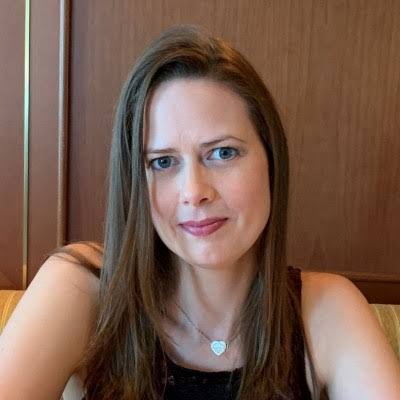
Emily Kaija is the Director of People and Culture at XWP, a globally distributed, remote-first Gold-level WordPress VIP agency. Over four years in the WordPress ecosystem, she has worked closely with engineers, leaders, and distributed teams to build the conditions for honest, effective, human work. She is not a developer — and that’s exactly why she’s the right person for this talk. Emily thrives in the conversations most people are trying to avoid.
Q&A with Emily
Who or what helped you find your footing in WordPress, and how do you try to pay that forward today?
I found my way into WordPress through my role in Talent Acquisition at XWP, but the engineers around me made it stick. Mike Crantea, our Director of Front End Engineering, suggested I create my own WordPress blog and walked me through setting it up, patiently answering every basic question I had. That hands on generosity turned curiosity into confidence. I try to pay it forward by creating the same space for non-technical people entering this world: no question is too basic, and everyone deserves a guide who meets them where they are.
If you could engineer one connection at WCEH 2026 — a conversation, an intro, a collaboration — what would it be?
If I could engineer one connection at WCEH 2026, it would be with the person who leads the Community team on Contributor Day. I’d want to talk about formalizing an onboarding path specifically for non-technical contributors, something that clearly states: you don’t need to write code to belong here. I came into this community through People and Culture, not engineering, and I know firsthand how much confidence a clear “here’s where you start” path can build. If we want more people like me showing up, I think that path needs to be intentional, not accidental.
WordPress powers 43% of the web, but it’s the people who keep it alive. What’s a moment in this community that reminded you why you stay?
My first WordCamp was WCEU 2022 in Porto. I volunteered so I’d have a reason to talk to as many people as possible, and I was welcomed with a warmth I didn’t expect from a tech conference. I remember thinking, “This is different, this is a community that actually wants you here”. That feeling is why I keep coming back, and why I still volunteer or find ways to welcome newcomers at every WordCamp since. It reminds me that the software is the excuse, but the people are the point.
What does the WordPress community get right that other tech communities don’t. What could we still do better?
WordPress achieves accessibility in a way most tech communities don’t. There are tracks for AI, community, and strategy alongside technical deep dives, plus Contributor Day, vendor kiosks, and workshops, offering a real entry point whether you write code or not. What we could do better is talk more openly about the fears running underneath our excitement: job security, AI disruption, and what “contribution” even means as the work changes. My talk is my attempt to open that door.
What’s a form of contribution you think is undervalued, and why does it matter?
The event organizing team, the hospitality labor at WordCamps, the welcoming volunteers, and the people who ensure you’re not standing alone at your first event – those folks are deeply undervalued. It’s not glamorous and it rarely gets credited as “contribution,” but it’s the reason people come to these events and the reason they stay. That welcome is what convinced me this community was worth investing in. If we only valued code commits and stage time, we’d miss that someone saying “come sit with us” might be the most important contribution of the week.
A lot of people want to contribute but feel they’re not technical enough. What would you say to them?
I’d say: look at me. I’m not technical, and I’ve built a career and a genuine place in this community. Contribution isn’t only code. It’s mentoring someone new, welcoming them at an event, writing something that helps a stranger feel less alone in their confusion, or simply caring enough about the future of WordPress to show up. If you care about the people who give their time to this open source project, there’s already a place for you here.